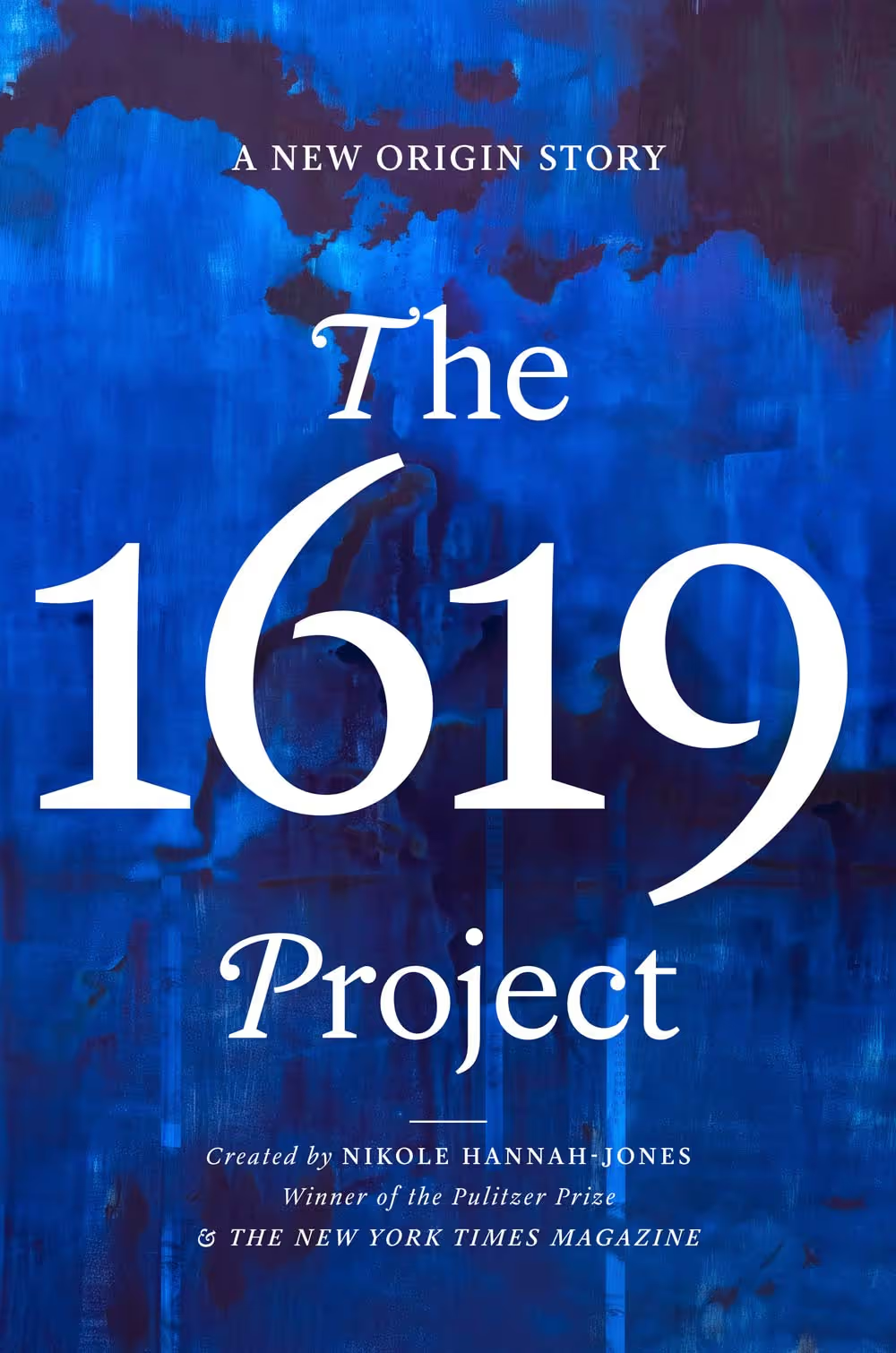
The 1619 Project is a long-form journalism initiative that reframes the narrative of American history by placing the consequences of slavery and the contributions of Black Americans at its very center.
Launched by Nikole Hannah-Jones and The New York Times Magazine, this work challenges us to reconsider our nation's origin story and confront how the legacy of slavery continues to shape every aspect of contemporary American life.
In late August of 1619, more than a year before the Mayflower made landfall, a ship named the White Lion appeared on the horizon at Point Comfort, a coastal port in the British colony of Virginia. It carried more than 20 enslaved Africans, who had been captured from their homes in West Central Africa and stolen from a Portuguese slave ship.
There, in a transaction that would alter the course of a nation yet to be born, these human beings were, in the words of colonist John Rolfe, "bought for victuals."
The 1619 Project argues that the 250 years of chattel slavery that followed were not an aberration or a footnote; they were the foundation upon which the nation's wealth, culture, and political systems were built.
It is an origin story that forces a reckoning with the brutal hypocrisy at the heart of America's founding ideals and reveals who we have been, who we are, and who we might yet become.
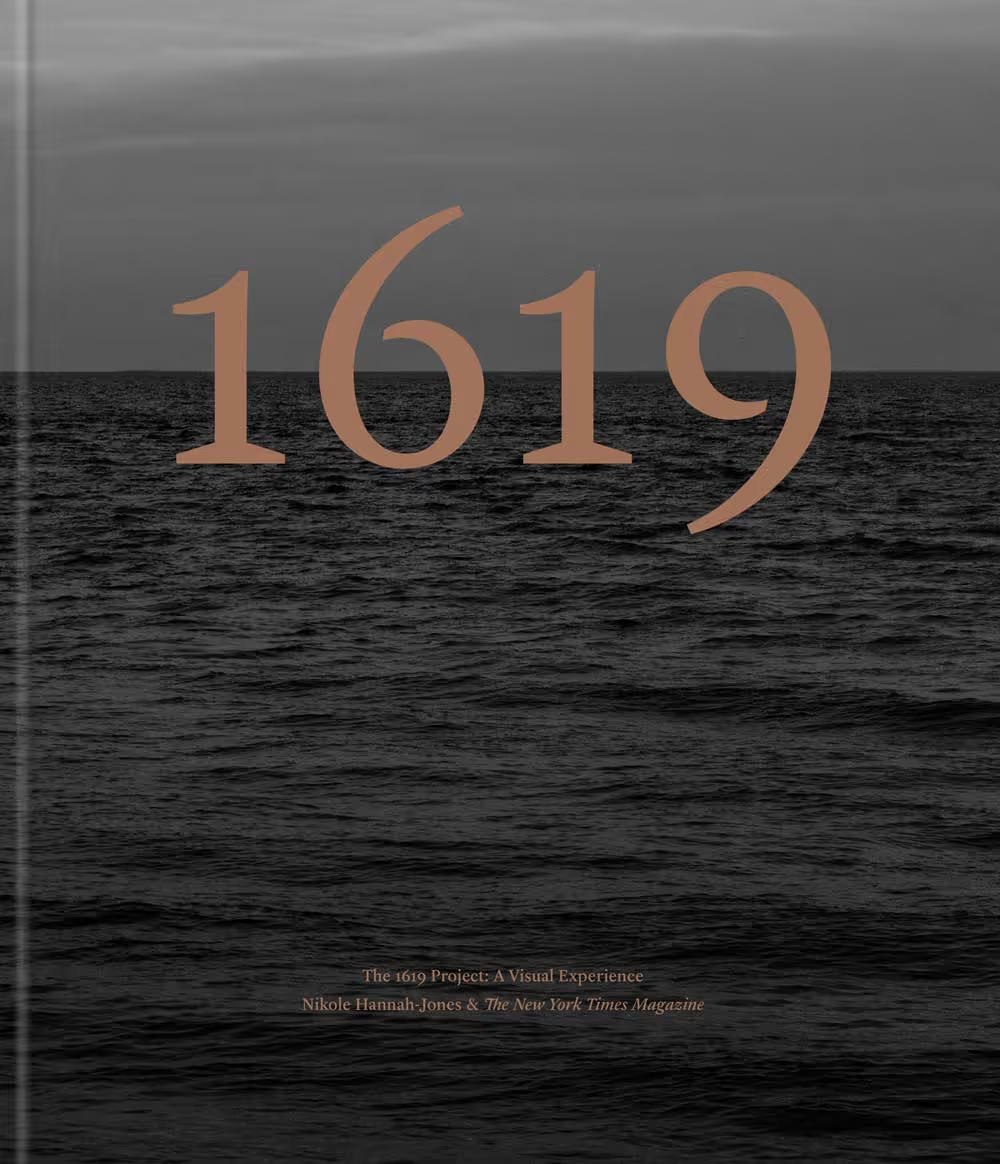
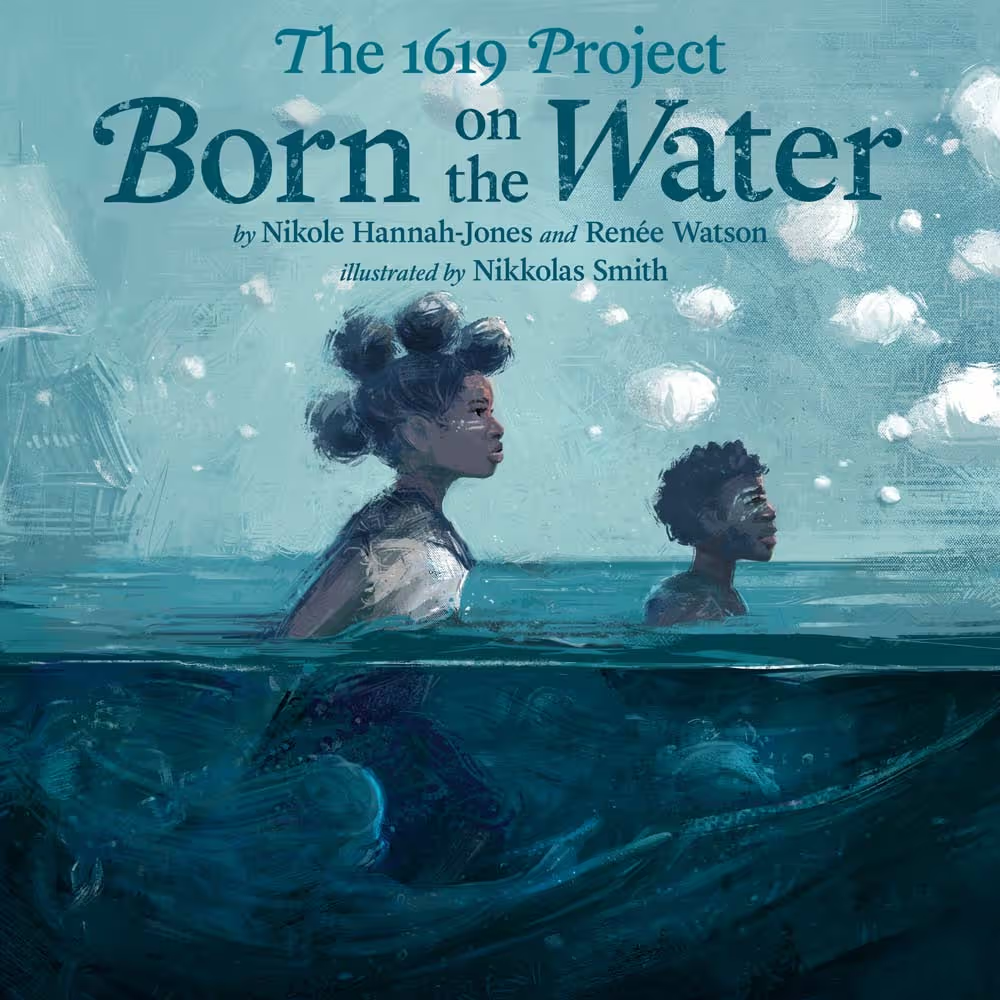
What began as a single issue of The New York Times Magazine has grown into a national phenomenon, reaching audiences of all ages across books, television, and audio. Each component offers a new lens through which to understand the American story.
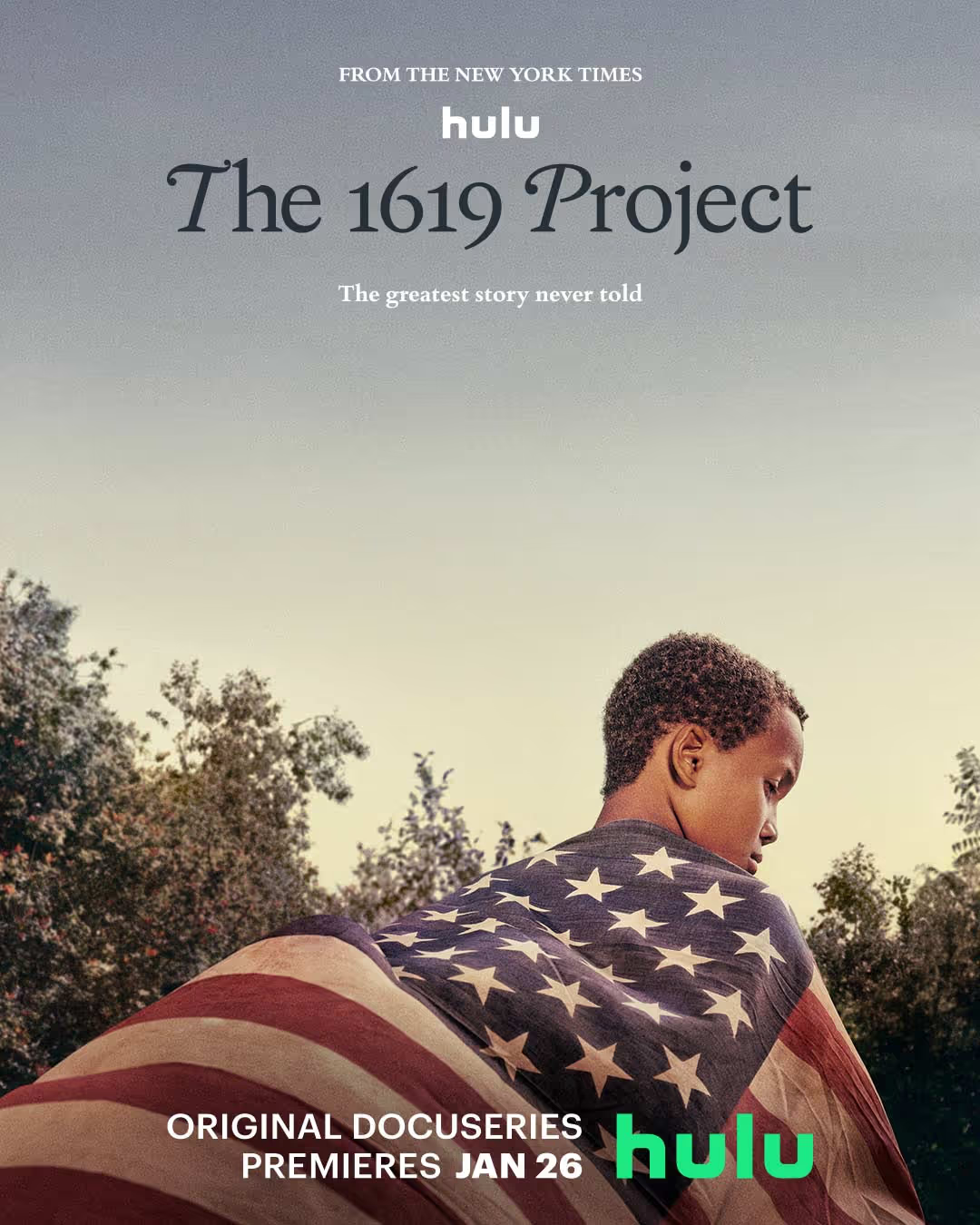
The 1619 Project did more than document history; it made history. It has been met with widespread acclaim and has also been the subject of intense public debate, a testament to its power to challenge long-held national myths. The efforts to legislate against its teaching in schools underscore the high stakes of controlling the American narrative.
By forcing a national reckoning, the project has proven that history is not a settled matter of the past—it is a contested and vital force that shapes our present and future.
To tell the truth is a revolutionary act. The 1619 Project holds an unflinching mirror to the nation, revealing the uncomfortable, unvarnished history that has shaped our institutions, our culture, and our souls. This is its challenge: to look upon our full history without turning away.
But this truth is not meant to be a final judgment. It is a charge. It is the necessary starting point for the ongoing struggle to perfect our democracy. A nation that cannot confront its own story cannot overcome its own contradictions.
The 1619 Project is not the end of this work. It is a profound declaration that the work must finally begin—honestly, courageously, and together. For it is only by grappling with the truths of our past that we can ever hope to realize the full promise of our American future.